
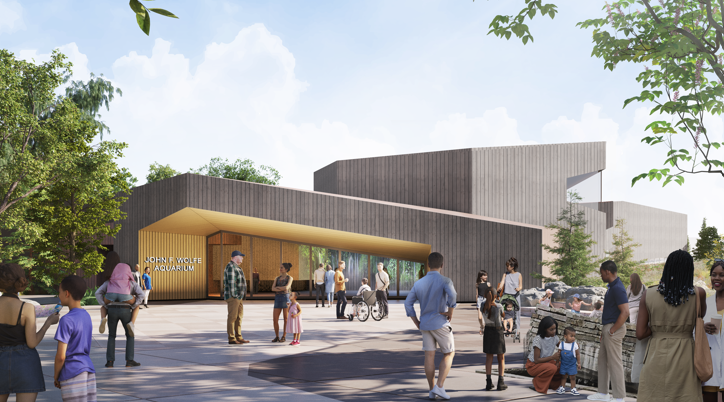
The future John F. Wolfe Aquarium will be home to more than 10,000 aquatic animals representing more than 300 species.
It will feature 27 habitats filled with more than a million gallons of freshwater and seawater.
At first glance, that might not sound like a sustainability story.
After all, aquariums rely on sophisticated life support systems, carefully controlled environments, specialized equipment, and enormous volumes of water to care for wildlife from around the world.
So how do you create a world-class aquarium while also reducing environmental impacts?
That question is helping shape Wolfe Aquarium long before the first habitat is filled.
As plans continue to evolve, teams are exploring innovative ways to conserve water, reduce energy use, improve operational efficiency, and create a facility that reflects the same conservation values guests will encounter throughout their visit.
In many ways, sustainability is becoming one of the Aquarium's most important features, even if much of it happens behind the scenes.
Managing a Million Gallons
One of the biggest misconceptions about aquariums is that they constantly replace the water inside their habitats.
In reality, the water itself is part of a carefully-managed system.
As Wolfe Aquarium takes shape, designers are exploring ways to
- Reduce potable water demand
- Maximize opportunities for water re-use
- Improve overall water management throughout the facility
Water stewardship is a natural priority for a destination built around aquatic ecosystems. Every drop supports animal care, guest experiences, and the conservation stories the aquarium will share. The same resource that connects rivers, reefs, coastlines, and oceans around the world is helping guide decisions inside the Aquarium itself.
The Most Important Part of Wolfe Aquarium Is the Part Guests May Never See
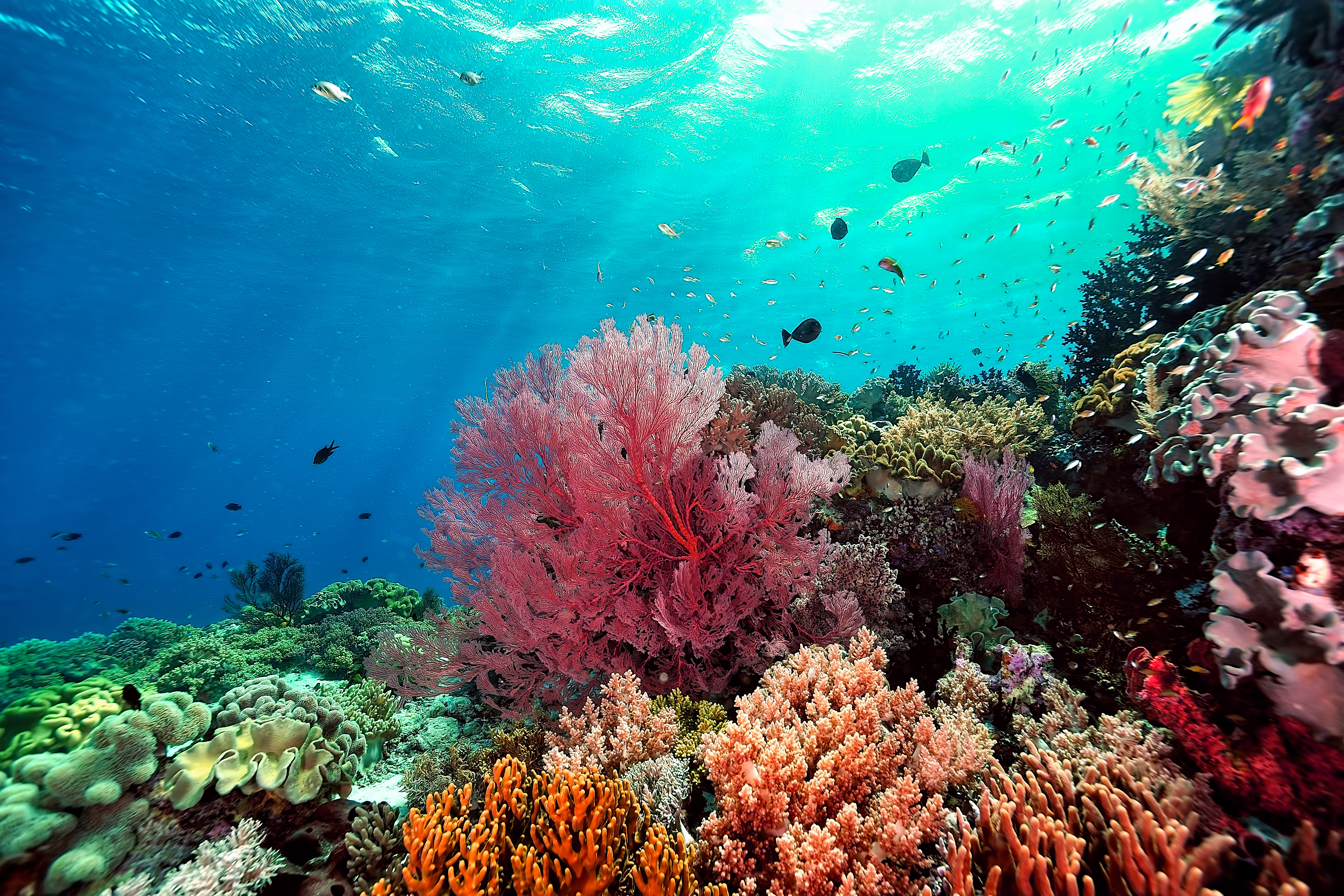
Guests will see big sharks, colorful reef fish, freshwater species, and immersive habitats.
Behind those habitats, however, will be an entirely different world.
Aquariums rely on sophisticated life support systems that help maintain water quality, temperature, filtration, and environmental conditions for thousands of animals every day. These systems are among the most important components of any aquarium, and they are being designed with efficiency in mind. Project teams are exploring ways to reduce energy and water demands while maintaining the highest standards of animal wellbeing.
It's a balancing act between conservation, technology, and animal care, and it happens around the clock.
Every Light, Pump, and Sensor Adds Up
Running an organization of the sheer size of an aquarium will require an extraordinary amount of coordination.
That is why Wolfe Aquarium is being designed with energy efficiency in mind from the very beginning.
High-efficiency building systems, advanced controls, LED lighting, and optimized mechanical equipment are all being evaluated as part of the design process. Individually, these decisions may seem small. Over the lifetime of the facility, however, they can have a significant impact on resource use, operational efficiency, and environmental performance.
The goal is to make smart decisions today that continue delivering benefits decades into the future.
The Building Itself Tells a Conservation Story
When guests visit Wolfe Aquarium, they will learn about biodiversity, habitat protection, pollution, climate change, and the importance of healthy waterways.
The building itself is being designed with many of those same principles in mind. Project teams are evaluating materials and construction practices that prioritize durability, longevity, resource efficiency, and reduced environmental impacts whenever feasible. Like healthy ecosystems, sustainable buildings depend on thoughtful planning and long-term thinking.
The decisions being made today will help shape how the facility serves guests, wildlife, and the community for generations.
Sustainability You Can See
Not every sustainability feature will be hidden behind walls and equipment rooms. Throughout Wolfe Aquarium, guests will encounter opportunities to explore how conservation challenges affect freshwater and marine ecosystems around the world.
From biodiversity loss and habitat degradation to water quality and climate change, the stories told inside the Aquarium will help connect global conservation issues to everyday actions.
The goal is simple: Help people understand that healthy ecosystems depend on countless connections, and that everyone has a role to play in protecting them.
Building for the Next Generation
Wolfe Aquarium is being designed to serve future generations of wildlife enthusiasts, conservationists, scientists, educators, and families.
That requires thinking beyond opening day.
Advanced monitoring systems will allow staff to track energy use, water consumption, and operational performance over time, helping identify opportunities for continuous improvement as technologies evolve and new solutions emerge.
Like the ecosystems featured throughout the Aquarium, sustainability is not a finish line. It is an ongoing process of learning, adapting, and improving.
A New Kind of Conservation Story
When guests visit Wolfe Aquarium in 2029, they will experience incredible aquatic wildlife and ecosystems from around the world. Many will leave with a new appreciation for rivers, reefs, coastlines, and oceans! What they may not immediately notice are the thousands of decisions working quietly behind the scenes to support those experiences.
From water stewardship and energy efficiency to animal care and environmental education, sustainability is helping shape the aquarium from the ground up. Because building a world-class aquarium is about creating a destination that reflects the values of conservation, stewardship, and responsible resource management for decades to come.